Call or Text Our
AI Receptionist 24/7
the story behind premierpath systems
I didn't start PremierPath Systems
because businesses
needed more software.
Quite the opposite.
Most businesses do not need another software tool. They already have too many. The real problem is those tools don't talk to each other, opportunities still slip through the cracks, and the owner and staff are left doing extra work just to hold everything together.
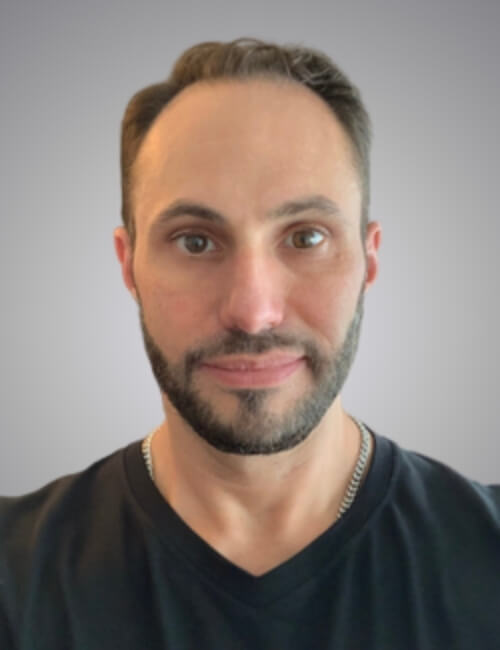
I'm Brett, founder of PremierPath Systems.
And if there's one common thread throughout my career, it's this:
"I've always been interested in what actually makes a business grow."
Not just marketing
Not just sales
Not just technology
But how all of those pieces work together to turn someone who discovers a business from a website visitor into a lead, a customer, and ideally, a long-term client.
That's ultimately what led me to build PremierPath Systems.
chapter one
It started with sales.
Early in my career, I worked in sales across different industries, from Xerox and medical equipment to mortgage lending, SolarCity, DISH Network, and Patagonia. That gave me a firsthand look at the entire customer journey, and how many different things have to go right between someone visiting a website and actually becoming a customer. My sales experience taught me something I still believe today:
Generating an opportunity is only the beginning.
Someone still has to respond
Follow Up
Answer their questions
Book the appointment
Send the confirmation
Track everything in the CRM
Move the opportunity in the pipeline
And eventually turn it into revenue
then i learned where leads actually came from
At one of my early sales jobs, I eventually became VP of Sales, working directly under the founder. I hired, trained and managed the sales team. Like a lot of companies at the time, we depended on outside vendors to supply the “fresh, real-time” internet leads our sales reps would call.
Until we discovered our main vendor was selling us old, recycled leads.
Our entire sales team depended on something we had almost no control over, and I remember thinking: this can’t be that complicated. I need to understand how these leads are actually being generated.
So I started digging into internet marketing.
That’s when I discovered landing pages, squeeze pages, opt-in forms — and realized that this mysterious world of “internet leads” was really just a system for getting the right person to a page and persuading them to raise their hand.
The simplicity of it blew my mind.
I already understood sales. Now I wanted to understand how sales and marketing worked online.
chapter two
i called it a funnel.
they treated it like a website.
I was looking for someone to build a website. I ended up finding an entirely different way to think about marketing.
When I was preparing to launch my first product, I approached a traditional web design agency for a quote.
As part of their sales process, I showed them exactly what I wanted — I literally drew the page on paper and sent it to them.
I called it a funnel. They treated it like a website.
What came back was a basic mockup built around one of their standard templates.
It looked almost nothing like what I had drawn - and somehow, the video sales letter I had placed front and center on the page was completely missing.
When I asked where the video was, they actually told me:
“Well, this template doesn’t allow for a video there.”
The sales video was the entire point of the page.
Needless to say, I declined the proposal.
But the experience made something very clear:
I didn’t just need someone who knew how to build websites. I needed someone who understood how to build a website designed to turn visitors into customers.
And I had no idea where to find that person.
then a friend showed me a way around the problem
A friend showed me a new platform with a drag-and-drop builder. For the first time, I could build the page exactly the way I pictured it without knowing how to code - or relying on a web designer to interpret it for me.
And it hit me...
I no longer had to find a web designer who also happened to understand marketing. I could build the funnel myself.
But being able to build it myself wasn’t enough. I wanted to understand why the best funnels actually converted traffic into customers.
So in 2017, I joined the ClickFunnels Certified Partner program and began formally studying funnel strategy, direct response marketing, conversion optimization, offers, customer journeys, and the systems behind online sales, ascension and retention.
What surprised me was how familiar it all felt.
I had already spent years learning how to sell one-on-one. Funnels were really the online version of that same sales conversation — the same psychology, only delivered through pages, video, follow-up and automation.
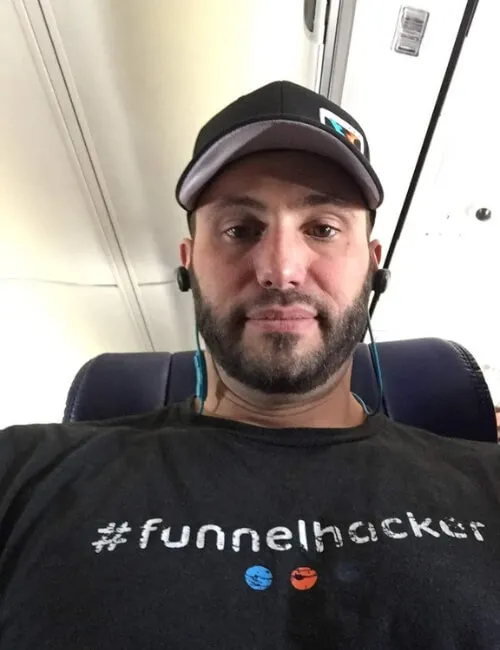
Traveling to my first event where I officially became a Certified Partner and a #funnelhacker
the first funnel i built was my own
The whole reason I became certified was to become a better marketer for my own business.
The first funnel I built wasn’t for a client.
It was mine.
But once I started doing the work, something unexpected happened.
Other business owners began asking me to build funnels for them too.
And that opened an entirely new chapter of my career.
The more funnels I built, the more differently I started looking at websites.
Not as online brochures.
Not as something that simply needed to “look professional.”
But as one part of a larger system designed to move someone from attention → interest → action → customer.
That's when i became obsessed with what happens after the click
Most of the marketing world is built around generating traffic.
SEO
Google Ads
Social media
Content
Those things matter.
But I was becoming fascinated with the other side of the equation:
What happens after someone arrives?
Do they understand the offer?
Is the next step obvious?
Is it easy for them to take action?
What happens after they raise their hand?
Does anyone respond?
Does anyone follow up?
And does all of it actually turn into revenue?
That way of thinking eventually expanded far beyond funnels and websites into CRM systems, automation, lead response, customer communication, appointment scheduling, AI, and the entire customer journey.
Looking back, that’s really where the foundation for PremierPath Systems began.
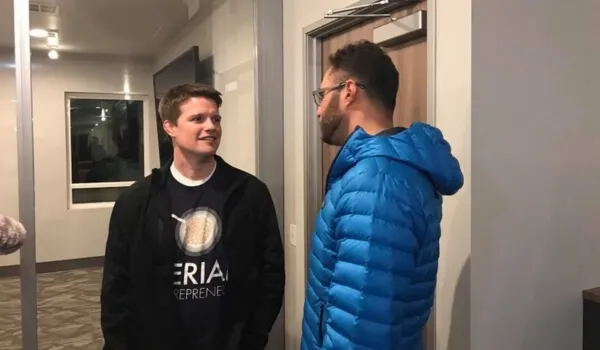
Talking funnels with Russell Brunson at the Clickfunnels office
Russell’s teaching had a huge influence on how I came to think about direct response, funnels and conversion — and helped me connect the sales psychology I already knew with the online customer journey I was learning to build.
That was the real unlock for me
Online marketing wasn’t a different kind of selling. It was sales psychology engineered into the customer journey.
chapter three
then it was my product, my money, and my customers

I always knew that eventually, I wanted to build something of my own.
My first real attempt was a physical product I designed called The Invisible Wallpatch.
I designed the product and packaging, found an overseas manufacturer, imported inventory into the U.S., shipped inventory to Amazon, and started selling it online.
Now I found myself not just thinking about marketing or conversion. I was the operator responsible for making the entire thing work.
Then something pretty cool happened.
The As Seen On TV team, backed by Kevin Harrington who was one of the orginal sharks on the TV show Shark Tank, discovered the product on Amazon and contacted me about featuring it in a short TV infomercial.
We produced the spot, and The Invisible Wallpatch made its way onto TV... check it out below!

but the biggest takeaway for me wasn't seeing my product on tV
For the first time, I wasn’t responsible for just one piece of the revenue process.
I was responsible for all of it.
The product. The positioning. The marketing. The sale. The fulfillment. The customer experience.
And when it’s your own money on the line, you quickly learn that none of those things exist in isolation.
Every step affects the next one. And a weak link anywhere in the customer journey can cost you the sale.
That experience taught me to look at a business and the customer journey as one connected system rather than a collection of separate departments, tools and tasks.
And that perspective has stuck with me ever since.
chapter four
Next, i got to work directly with
small business owners
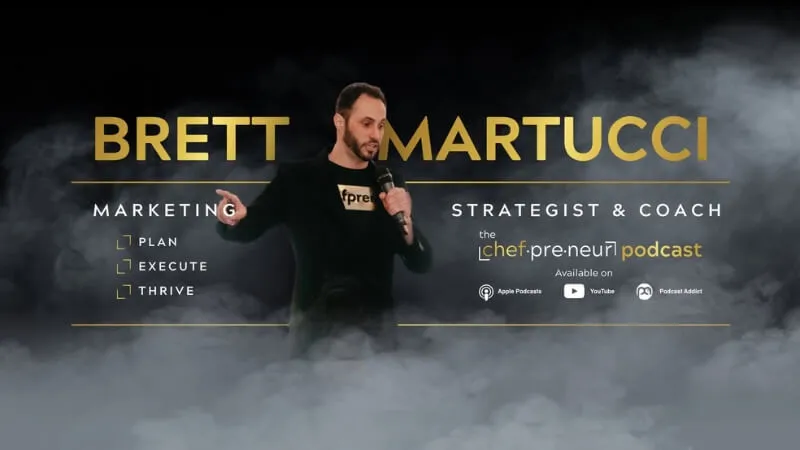
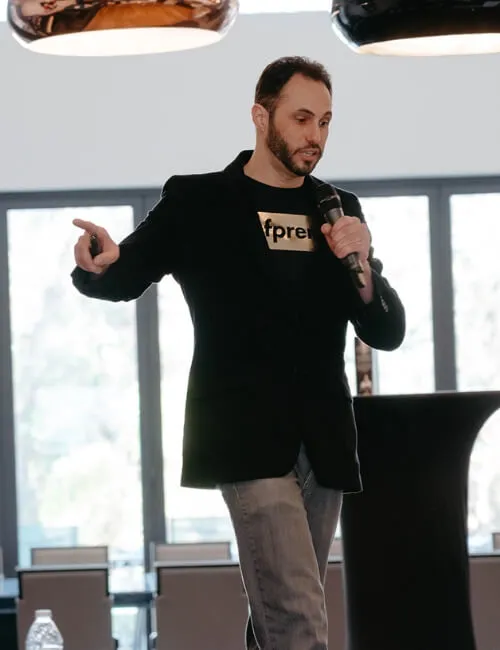
One of the most formative chapters of my career was serving as Marketing Director and Coach at Chefpreneur, where we taught Personal Chefs how to start, launch and grow their own business.
I worked directly with self-employed Chefs on their branding, offers, pricing, messaging, marketing strategy, websites, and customer acquisition.
And I started seeing the same pattern over and over again.
Businesses weren’t always losing opportunities because of one huge problem.
They were losing them through small gaps everywhere.
A missed call
A form submission nobody responded to quickly
A lead that never got followed up with
A customer conversation buried in someone’s inbox
An appointment that never got confirmed
Each one seems minor, but...
Stack enough of them together, and they become expensive.
that's where 'revenue infrastructure' comes in
Might sound complicated. It's really not.
Revenue Infrastructure is simply everything underneath the Customer Journey that helps the business capture, respond to, and convert the opportuniuties its marketing creates.
Your website
Your phone system
Your forms
Your CRM
Your text and email communication
Your calendars
Your follow-up
Your staff processes
Your automations
And now, increasingly, Artificial Intelligence.
My strength is looking at those pieces as one connected system instead of a collection of separate tools.
That’s what allows me to see where customers are slipping through the cracks and what needs to change.
most businesses focus on traffic.
i focus on what happens next.
There's an entire industry built around getting more people to your website.
SEO. Google Ads. Social media. Content.
But I’ve seen businesses generate excellent traffic from Google while doing surprisingly little to optimize what happens after those people arrive on their website.
For many businesses, conversion optimization stops at:
Website? Check
Phone number? Check
Contact form? Check
But having ways for someone to contact you doesn’t mean you’re capturing those opportunities effectively.
Traffic gets people to the door. Conversion determines how many people actually make it through that door.
technology should solve a business problem
I’m not interested in installing AI because AI sounds impressive.
And I’m definitely not interested in adding software just to add software.
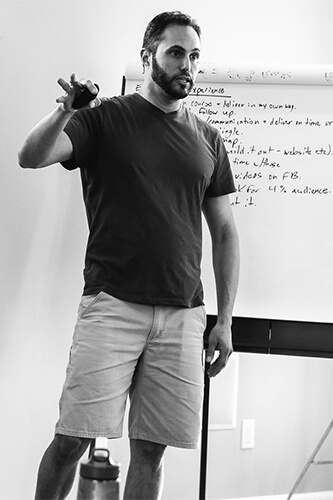
The technology has to fix something that isn't working.
That's the whole point.
Sometimes that means an AI Receptionist answering calls when your staff can’t.
Sometimes it means responding to a new inquiry within seconds instead of hours.
Sometimes it means giving your team one place to see every customer conversation.
And sometimes it means simplifying a process that has become unnecessarily complicated.
The goal isn't more technology.
The goal is a better customer journey and a better run business.
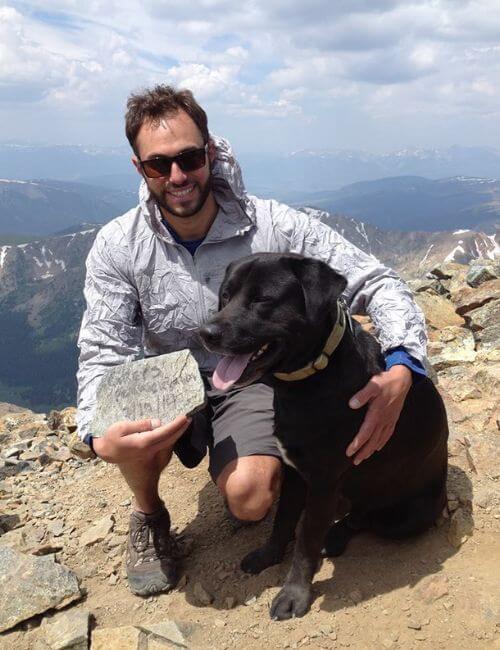
And That's Why I Built PremierPath Systems.
Over the years, I kept seeing the same gap.
Businesses working hard to generate traffic, attention and opportunities, but the systems responsible for capturing and converting them were usually an afterthought.
That’s the gap PremierPath Systems was built to address.
My job is to understand how your business currently operates, identify where opportunities are being lost, and build the systems that help close those gaps.
It’s where my background in sales, marketing, customer experience, CRM architecture, automation and AI all come together.
when i'm not doing this...
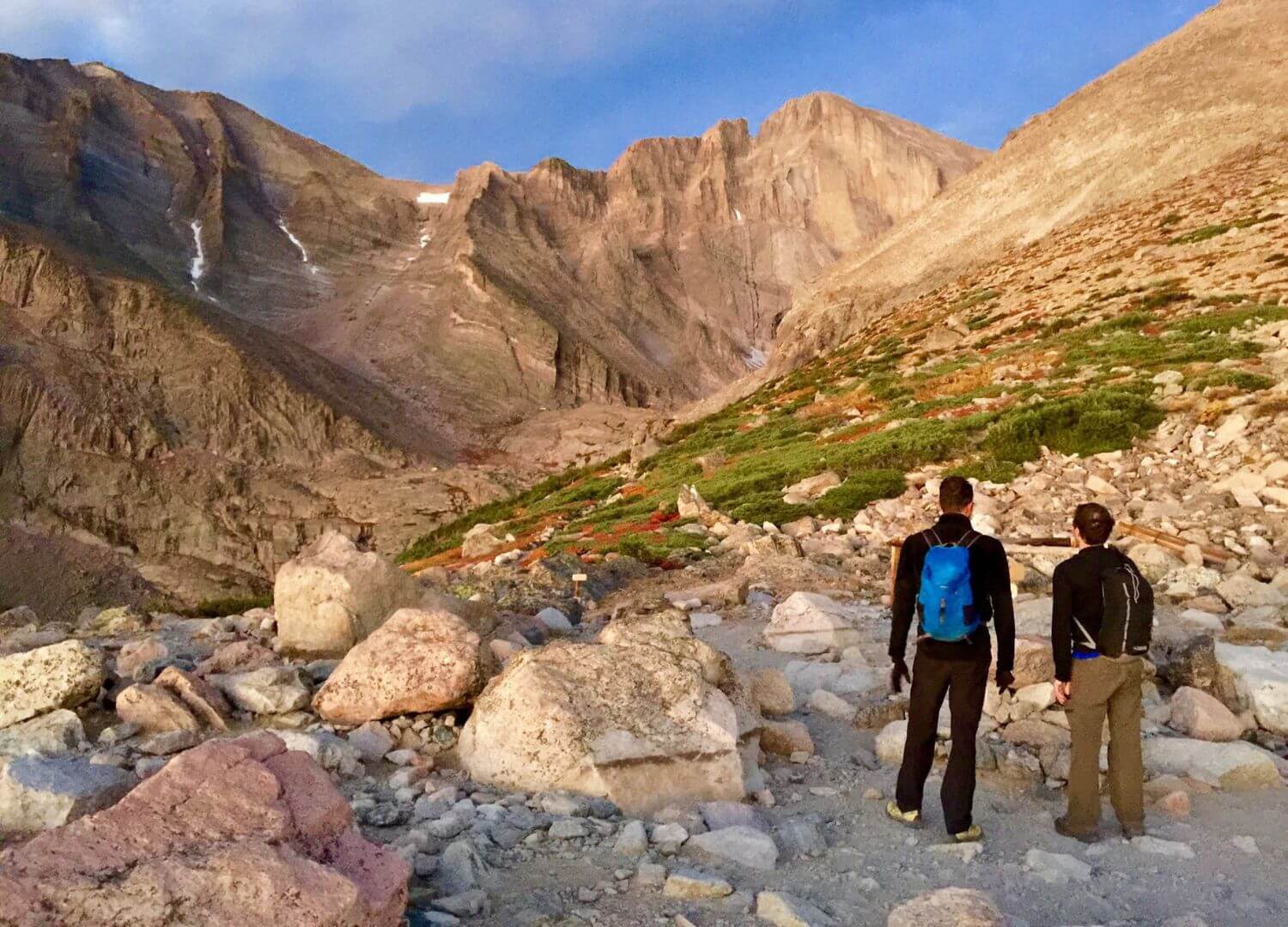
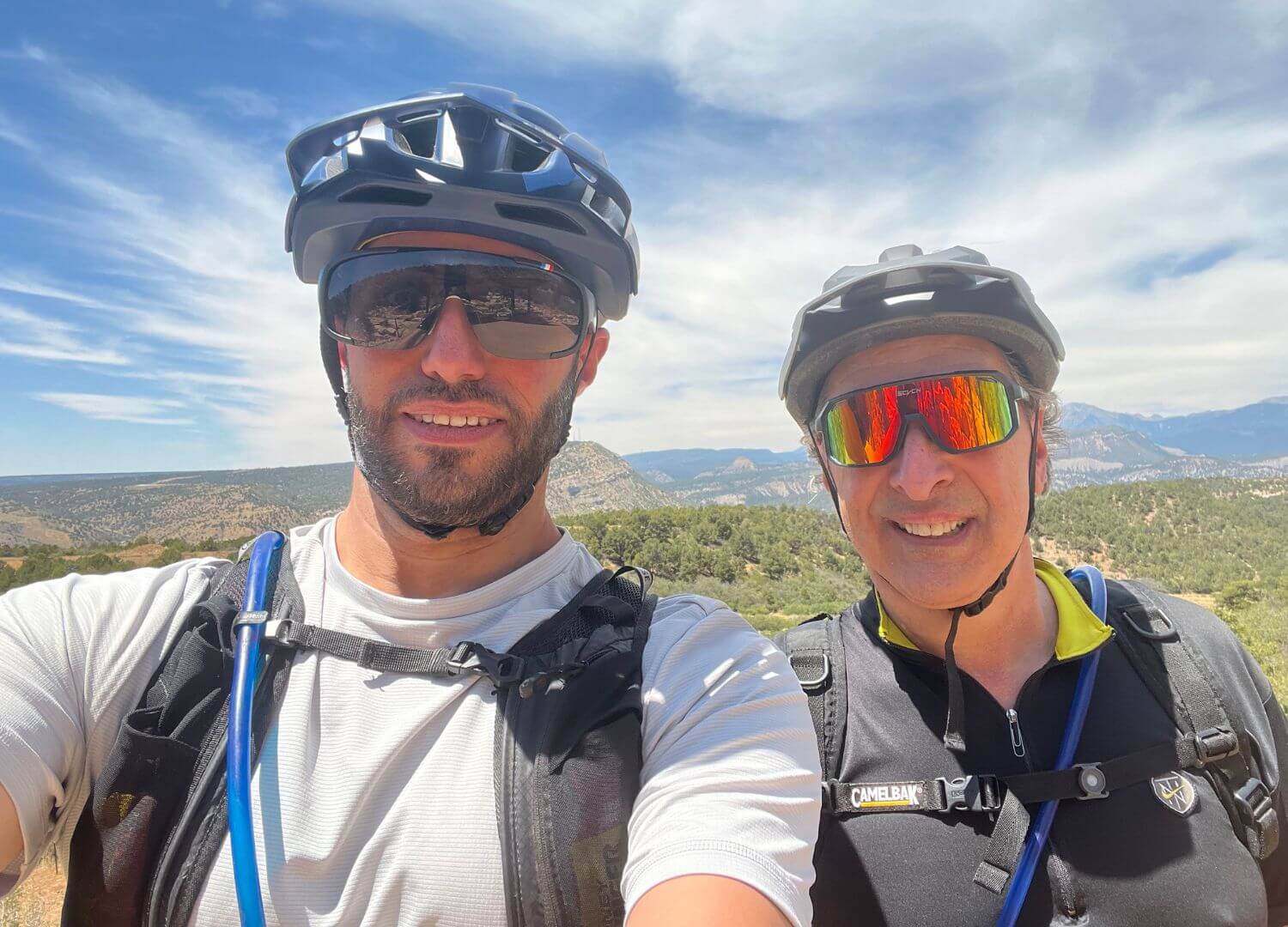
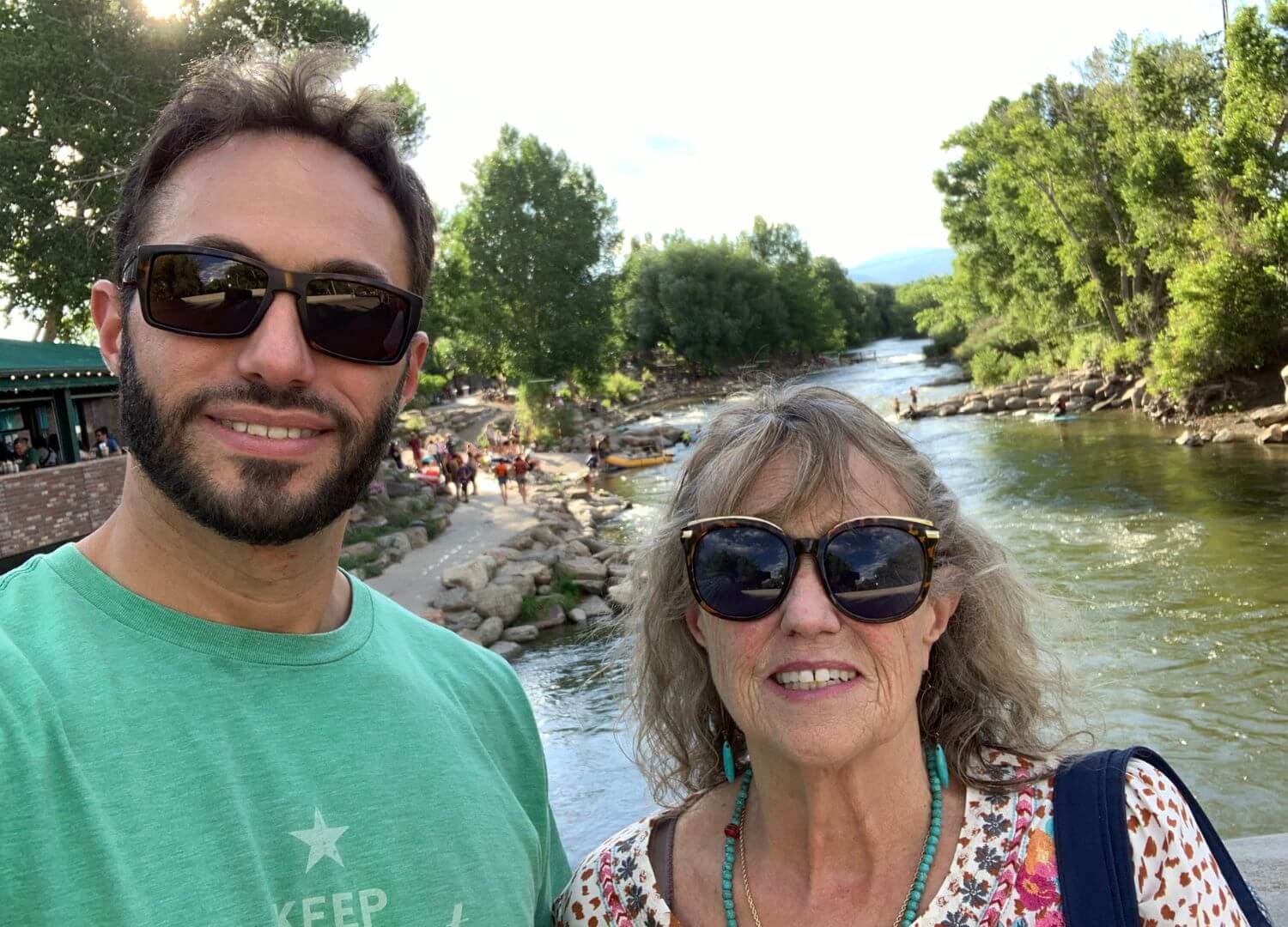
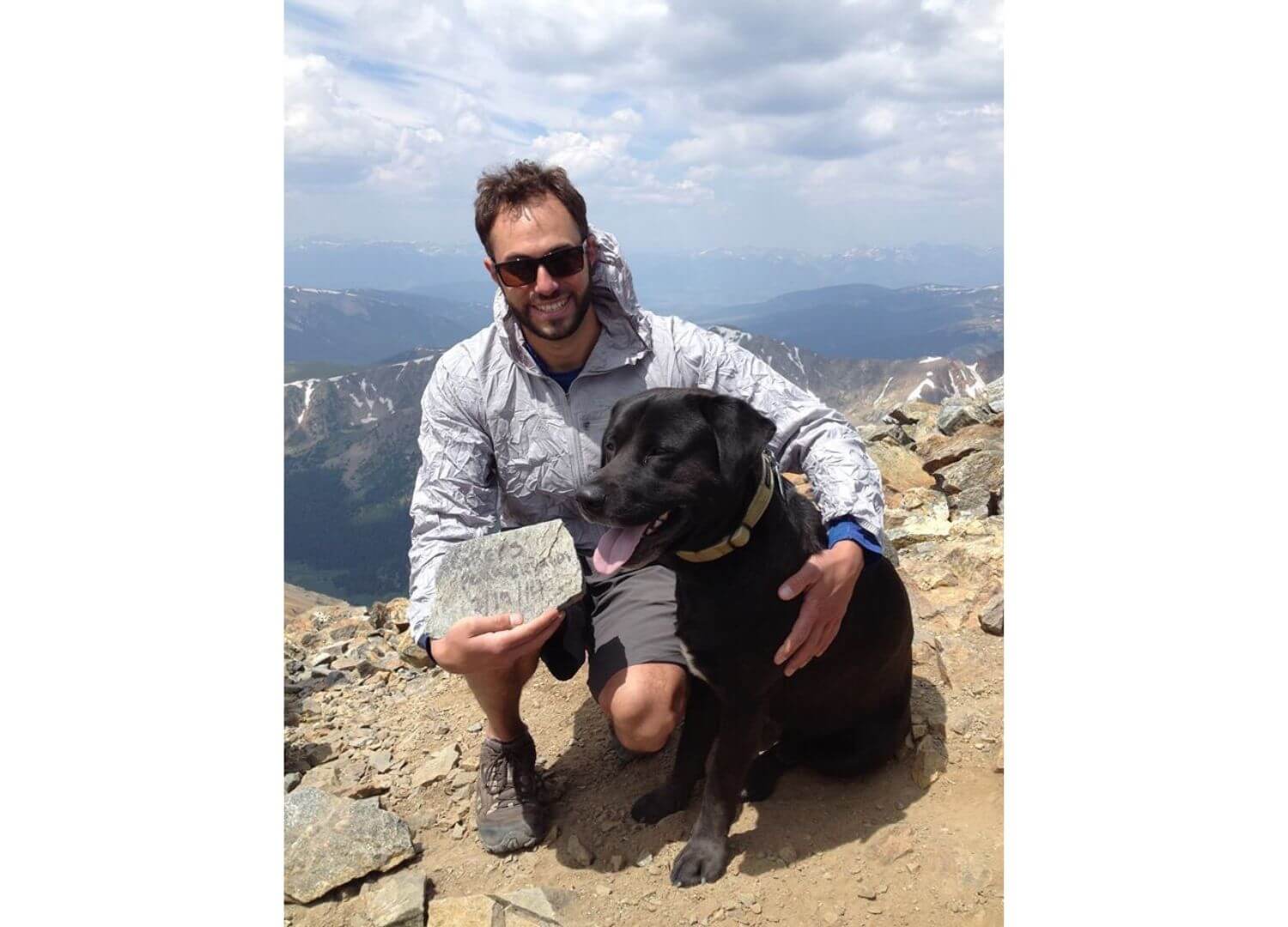
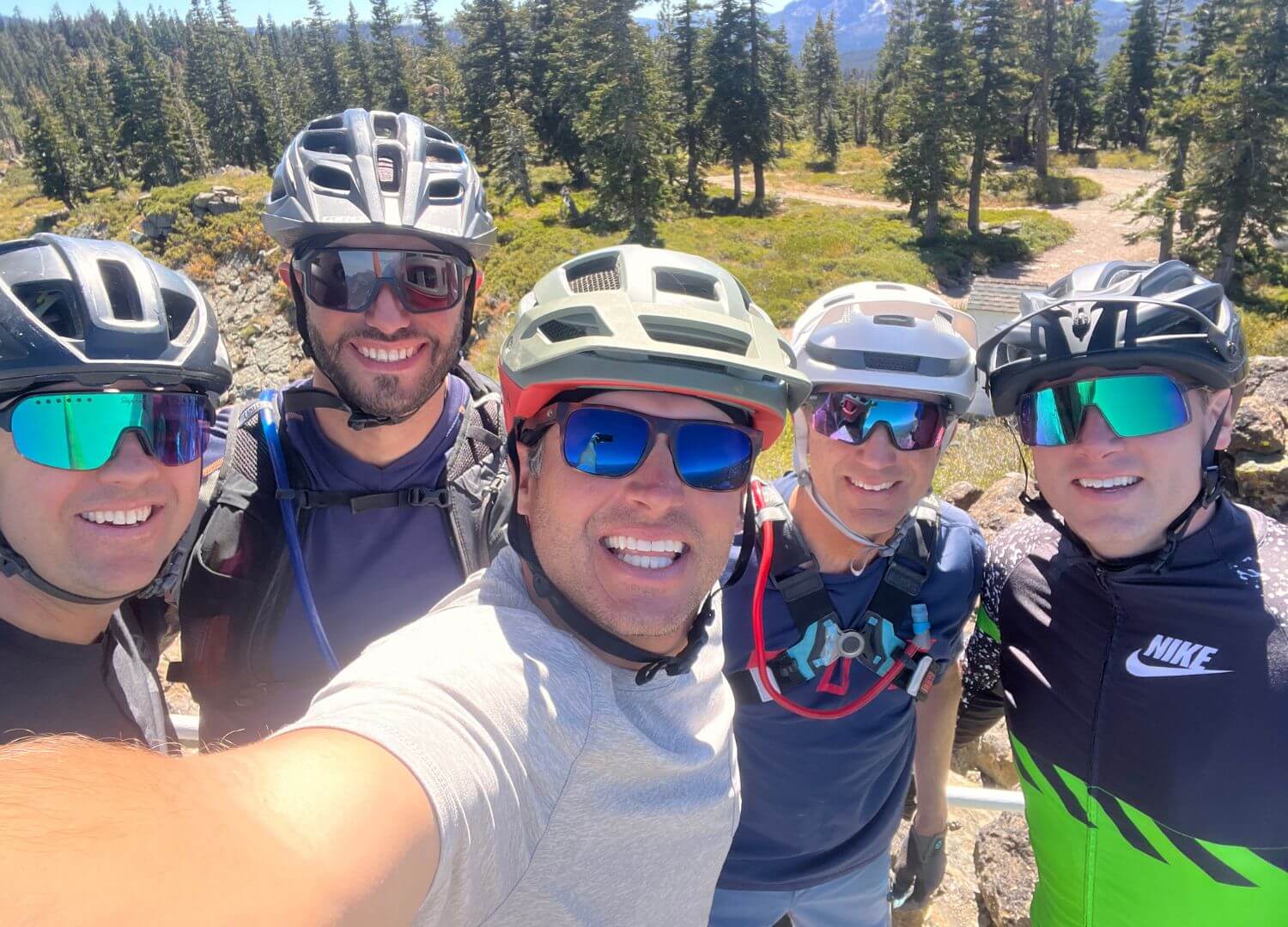
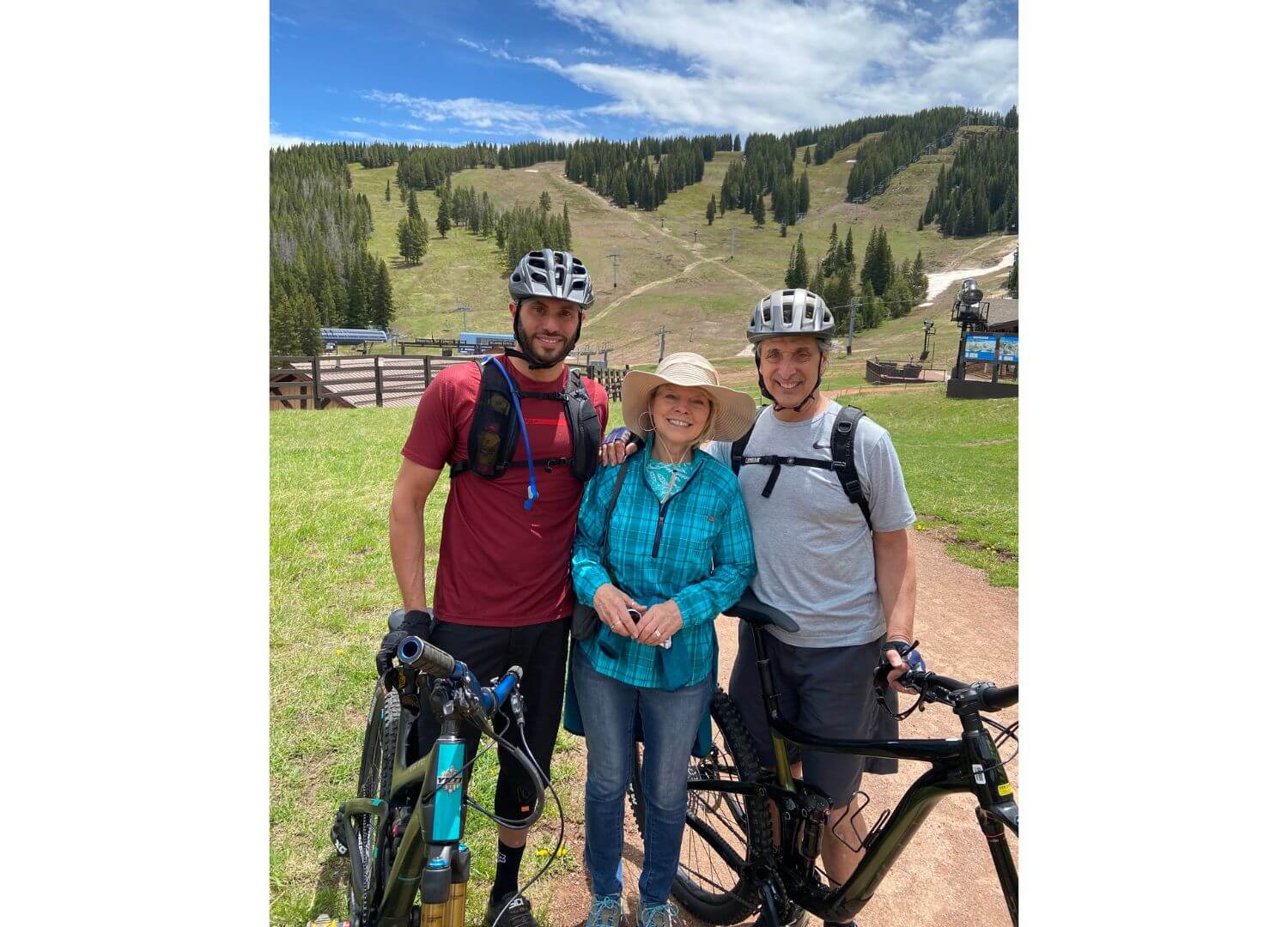
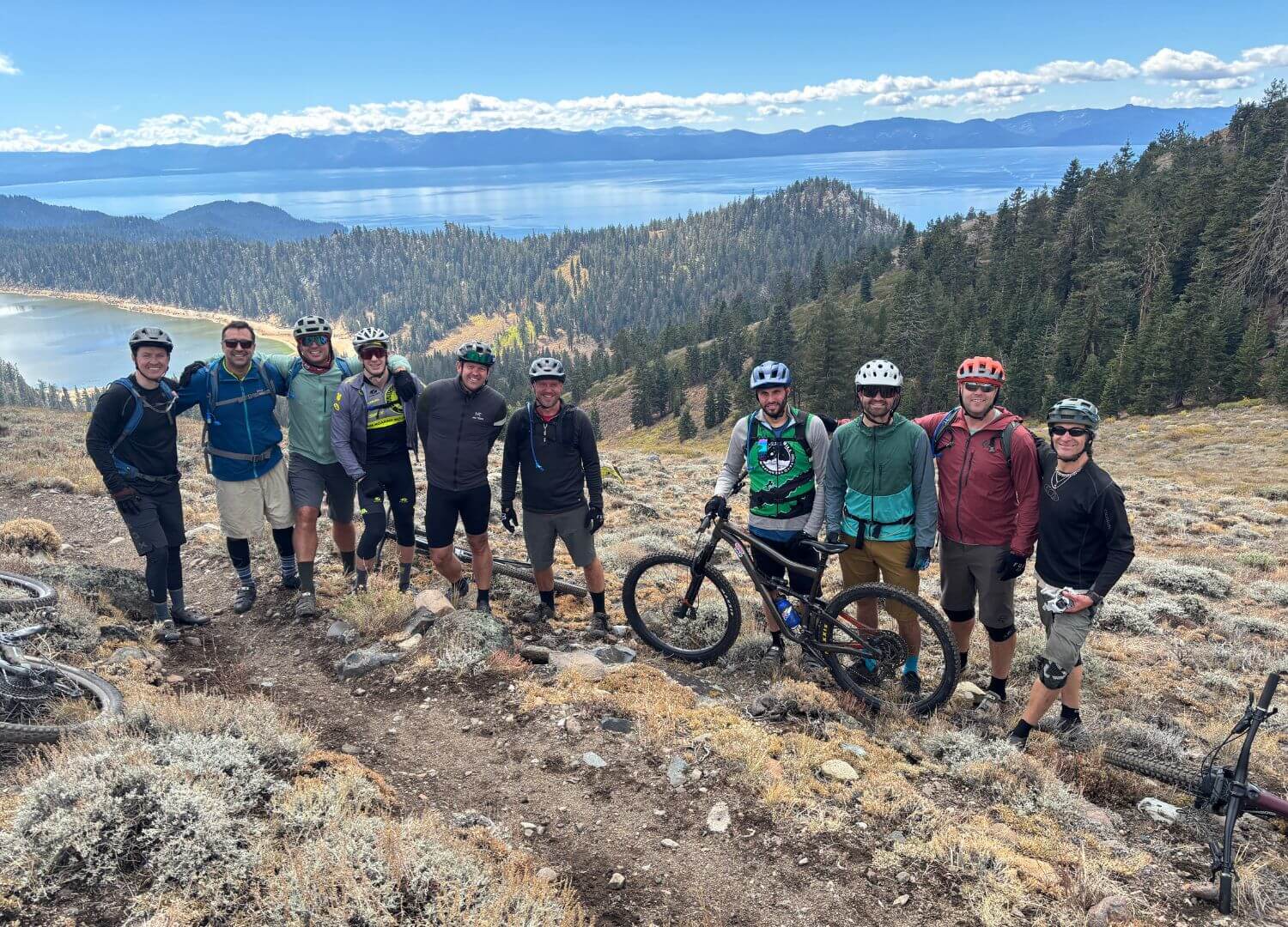
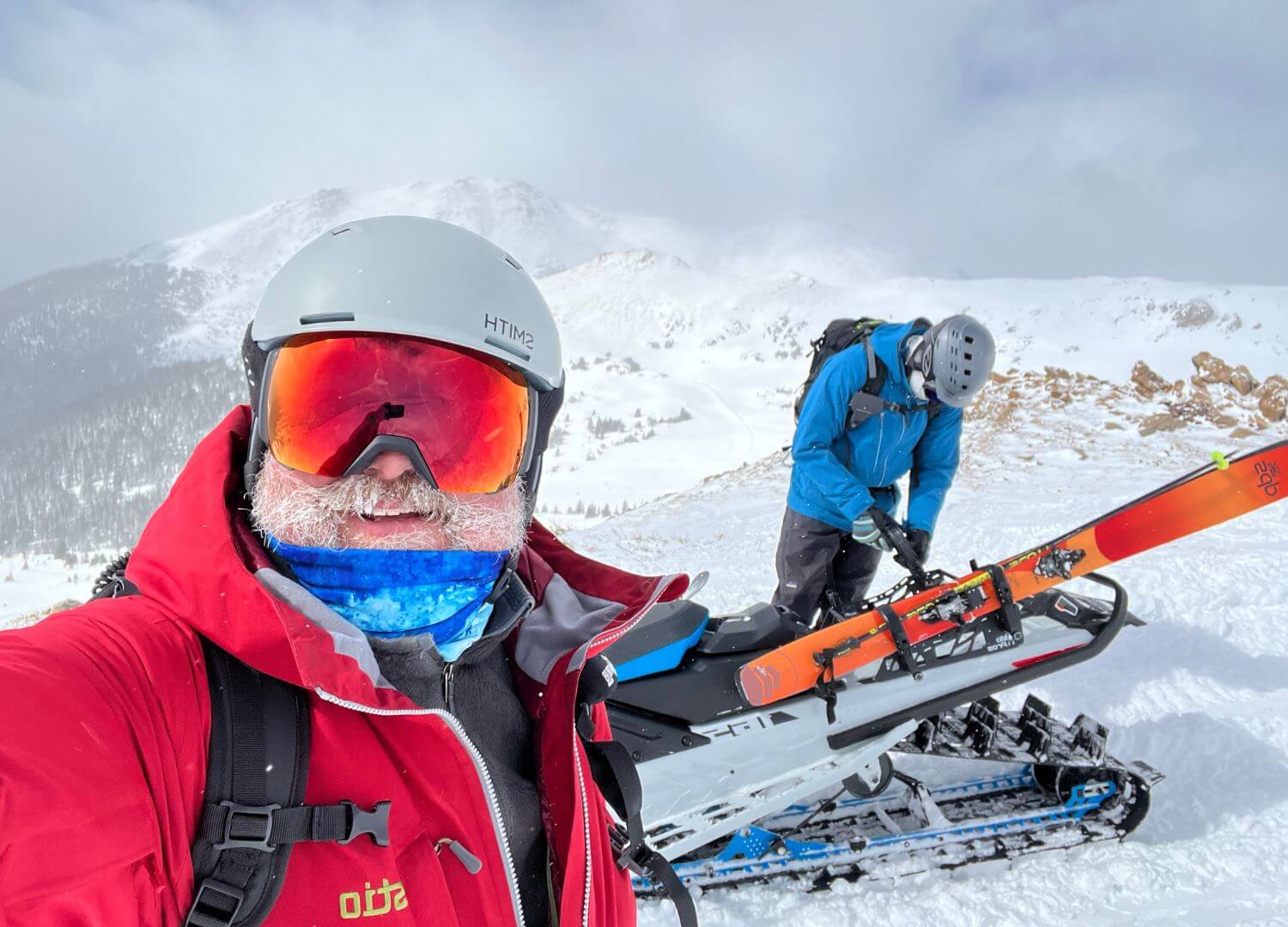
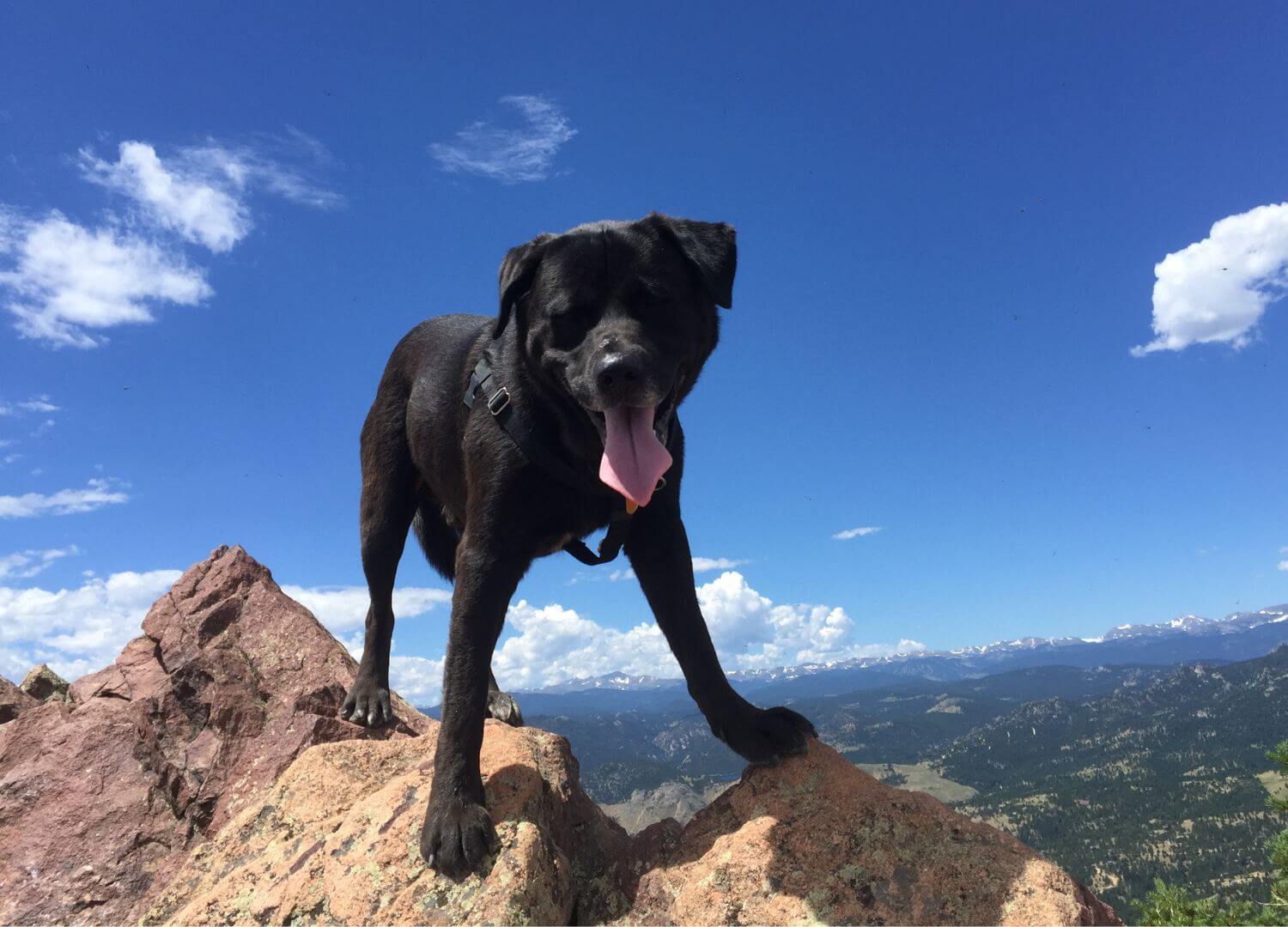
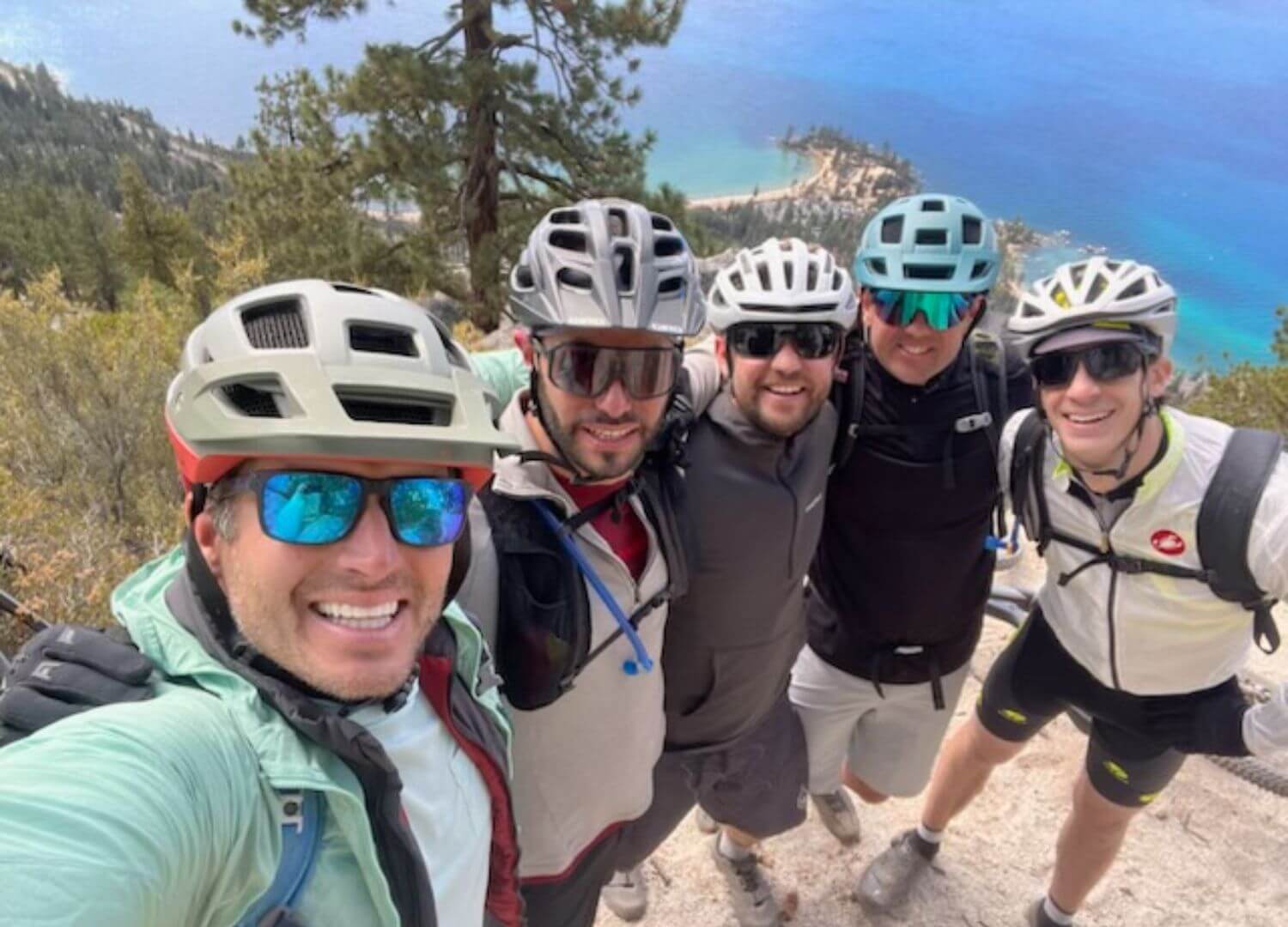
I live in Colorado, so I try not to spend all of my time staring at a screen.
When I’m not working, there’s a good chance I’m mountain biking, skiing, exploring somewhere in the mountains.
I’ve always been drawn to things where there’s another trail to explore, another skill to improve,
or a slightly better way to do something.
Maybe that’s the common thread after all. Whether it’s a trail, a business, or a customer journey, I've always been looking for the better path.
PremierPath Systems, LLC
1905 Sherman Street | Suite 200 | Denver, CO | 80203
© 2026 PremierPath Systems | All Rights Reserved